Choosing Ergonomic Furniture: Material Durability & Modular Design
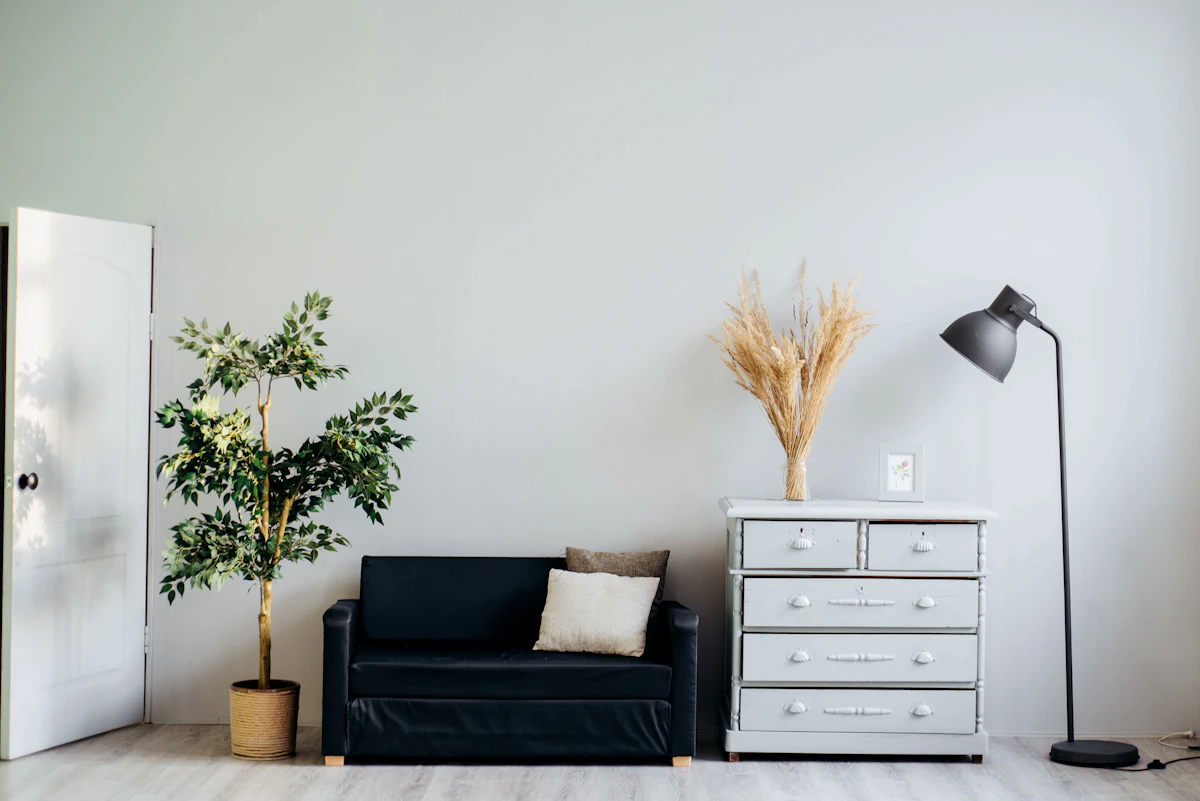
Modern residential and remote-work environments demand interior furnishings that balance lumbar ergonomics, structural resilience, and modular reconfiguration. Investing in durable components ensures healthy postural alignment while eliminating frequent furniture disposal cycles.
1. Solid Kiln-Dried Hardwood vs. Medium-Density Fiberboard (MDF)
The internal frame represents the primary determinant of seating longevity. Budget manufacturers frequently use glued particle board or compressed MDF that buckles under dynamic weight stress and absorbs ambient humidity over time. In contrast, kiln-dried birch, beech, or ash hardwood frames held together by corner blocks, dowels, and heavy steel brackets withstand decades of daily use without loosening or creaking.
2. Lumbar Posture Mechanics and Cushion Density Metrics
Ergonomic seating requires precise weight distribution to relieve tension on the lumbar spine and sacroiliac joints. When assessing foam density, prioritize high-resiliency (HR) polyurethane foam rated at 2.5 pounds per cubic foot or higher, wrapped in pocket coils or down blends. Inferior low-density cushions collapse permanently after 12 to 18 months, leading to poor spinal posture and joint fatigue.
3. Modular Adaptability and Stain-Resistant Performance Textiles
Modular sectional furniture allows homeowners to reshape seating layouts when transitioning between apartments or reorganizing living rooms. Pair modular architecture with commercial-grade performance upholstery rated at 30,000+ Martindale abrasion rubs. High-performance olefin and crypton fabrics provide water repellency, odor resistance, and effortless spot cleaning without off-gassing toxic perfluorochemicals (PFAS).
Furnishing a New Home? Explore Buyersi Real Estate
Discover residential property listings, interior architectural insights, and verified home improvement guides on realestate.buyersi.com.
Explore Buyersi Network